
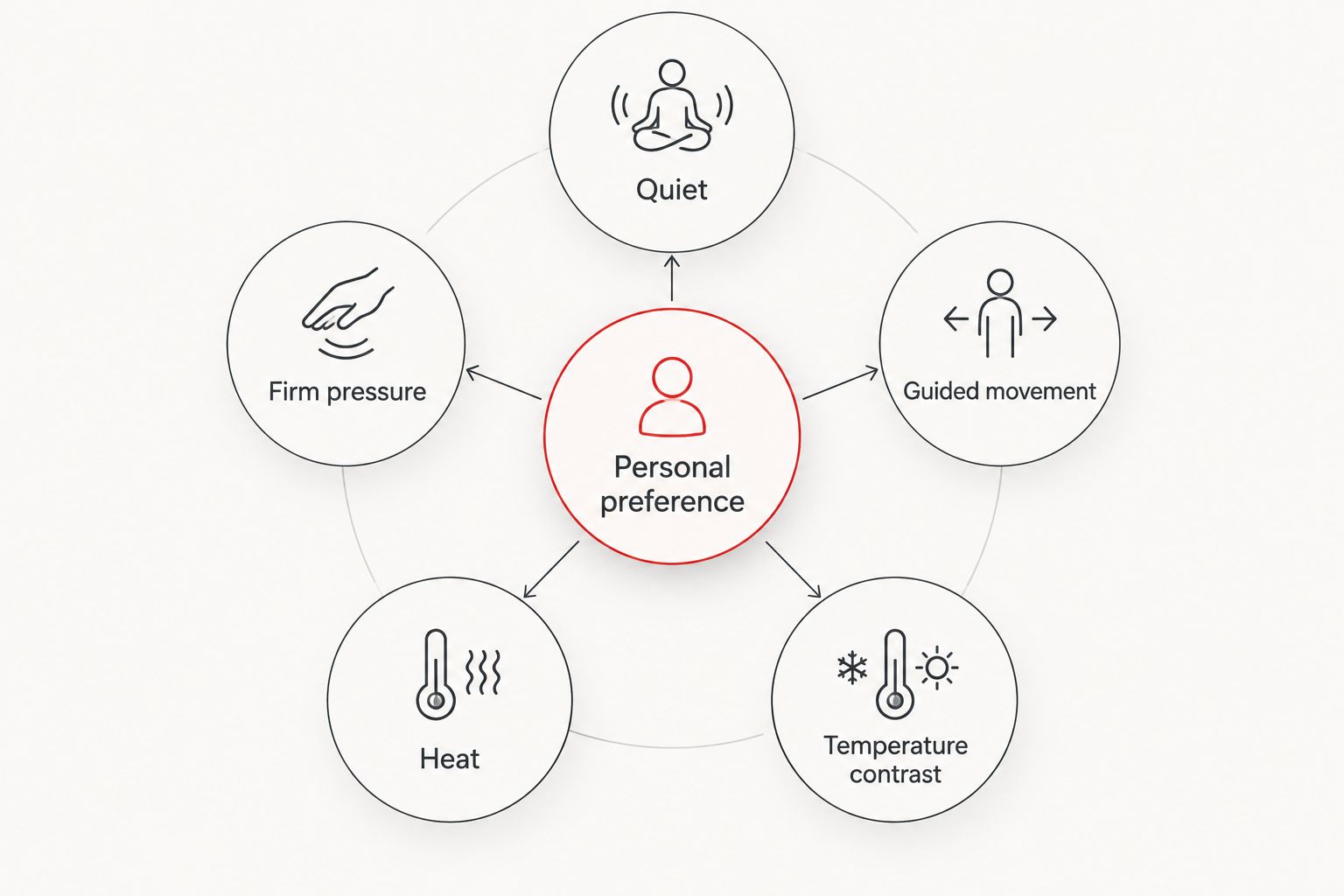
Best overall for quiet relaxation: flotation therapy. Best for firm, hands-on attention: deep tissue massage. Best for guided movement: fascial stretch therapy. This 2026 guide compares the best spa treatments for anxiety and stress relief by comfort and experience—not by promises to treat anxiety. Hopefloatsusa offers these services, plus infrared sauna and contrast therapy, at its Bethesda spa.
- Among the best spa treatments for anxiety and stress relief, flotation therapy is the first choice for quiet relaxation.
- Hopefloatsusa offers flotation therapy, massage, fascial stretch therapy, infrared sauna, and contrast therapy in Bethesda.
- Choose deep tissue massage for firm pressure or fascial stretch therapy for guided movement.
- Choose infrared sauna for heat; choose contrast therapy only if cold immersion appeals to you.
- Spa relaxation supports personal wellbeing but does not replace care for persistent anxiety.
Why this matters
Feeling mentally overloaded and wanting someone to work on tight muscles are different reasons to visit a spa. The right treatment starts with that distinction. A quiet float, firm massage, and cold plunge ask very different things of you.
Hopefloatsusa is best for DC-area visitors seeking spa relaxation with a choice between quiet floating, hands-on bodywork, and temperature-based experiences. You do not need to enjoy every option to have a worthwhile visit.
For your first appointment in 2026, choose the experience you actually want—not the one that sounds most intense. If anxiety is persistent, disrupts daily life, or causes significant distress, seek support from a qualified healthcare professional rather than relying on spa visits alone.
What makes the best spa treatment for stress relief?
Use these criteria before comparing services:
- Sensory comfort: Decide whether quiet, touch, movement, heat, or cold sounds welcoming rather than stressful.
- Control: Ask how you can pause or end the experience and communicate discomfort.
- Your immediate goal: Separate wanting mental space from wanting hands-on attention or guided stretching.
- Physical suitability: Discuss relevant health conditions with your clinician before choosing heat, cold immersion, or bodywork.
- First-visit clarity: Confirm what happens during the service, what to bring, and what you need to tell staff.
- Personal preference: Treat stronger pressure and bigger temperature changes as preferences, not measures of effectiveness.
A useful 2026 booking rule is simple: choose the least complicated service that matches your goal. Adding more treatments does not establish that a visit will provide more stress relief.
Best spa treatments at a glance
The ranking below is a decision guide for relaxation, not a clinical ranking of anxiety treatments. Each option has a distinct reason to choose it.
| Treatment | Best for | Standout experience | Key limitation |
|---|---|---|---|
| Flotation therapy | Quiet | Floating in a sensory deprivation tank | An enclosed setting or reduced sensory input does not suit everyone |
| Deep tissue massage | Firm pressure | Hands-on work with deeper pressure | Pressure needs adjustment if it feels uncomfortable |
| Fascial stretch therapy | Guided movement | Assisted stretching | Requires participation rather than complete stillness |
| Infrared sauna | Heat | A warm, temperature-based experience | Heat tolerance and health considerations matter |
| Contrast therapy | Temperature contrast | Alternating infrared sauna and an ice bath | Cold immersion can feel intense rather than calming |
Start with your preferred sensation. If the thought of cold water makes you tense, contrast therapy is not your default simply because it appears in a wellness routine.
1. Flotation therapy: best for quiet relaxation
Flotation therapy involves resting in water in a sensory deprivation tank. The experience centers on floating and reduced outside stimulation rather than massage, stretching, or temperature changes.
At Hopefloatsusa, flotation therapy is an option for visitors who want a quiet spa experience without hands-on bodywork. Choose it because stillness appeals to you, not because you expect to silence every thought.
Flotation therapy pros:
- Does not center on firm pressure or assisted movement.
- Gives quiet relaxation a dedicated place in your visit.
- Offers a different experience from touch-based services.
Flotation therapy cons:
- A tank setting can feel uncomfortable if enclosed spaces bother you.
- Quiet leaves you with your thoughts; it does not guarantee a calm mind.
Best for: You want fewer outside distractions and prefer resting to active participation.
Before booking, ask about the tank setup, entry and exit, and available controls. Tell staff if you are uneasy about enclosed spaces. Those practical details matter more than descriptions of what a float is supposed to feel like.
Verdict: Buy a float session for quiet relaxation; skip it if the tank setting feels like the main obstacle.
2. Deep tissue massage: best for firm, hands-on attention
Deep tissue massage uses firmer pressure and hands-on techniques directed at muscles and related soft tissues. It is a different choice from floating: you receive touch and communicate about pressure rather than simply resting in a tank.
Choose deep tissue massage when you specifically want bodywork. Do not choose it just because you assume deeper pressure means a better relaxation experience.
Deep tissue massage pros:
- Suits visitors who want direct, hands-on attention.
- Lets you describe the areas you want addressed.
- Gives you a clear reason to communicate pressure preferences throughout the session.
Deep tissue massage cons:
- Firm pressure does not appeal to everyone.
- You need to speak up when pressure feels uncomfortable rather than endure it.
Best for: You welcome massage and want firm pressure instead of a low-stimulation environment.
For a first massage in 2026, describe your comfort level before the session begins. Explain any areas you do not want touched and any relevant injuries or health concerns. Ask the practitioner to adjust the pressure when needed.
Verdict: Buy deep tissue massage when firm bodywork is your goal; skip the assumption that discomfort proves it is working.
3. Fascial stretch therapy: best for guided movement
Fascial stretch therapy is an assisted stretching service. It suits a visitor who wants guided movement rather than a session built around floating, sustained heat, or massage pressure.
Hopefloatsusa offers fascial stretch therapy alongside its other spa services. Ask how the session is conducted and what participation it requires before deciding whether it matches your idea of relaxation.
Fascial stretch therapy pros:
- Makes movement the focus of the appointment.
- Provides an alternative to firm massage pressure.
- Lets you communicate when a position or stretch feels uncomfortable.
Fascial stretch therapy cons:
- It is not the same as lying still with minimal interaction.
- Existing injuries or movement restrictions need discussion before the session.
Best for: You prefer an involved experience and want someone to guide your stretching.
Explain your comfort with movement and describe any positions you need to avoid. Keep the goal practical: a comfortable stretching experience, not a promised correction of pain or posture. Never treat a painful stretch as something you must push through.
Verdict: Buy fascial stretch therapy for guided movement; skip it when complete stillness is what you want.
4. Infrared sauna: best for a heat-focused experience
An infrared sauna provides a heated experience without massage or assisted stretching. Choose it when warmth itself is appealing and you want a temperature-based service without adding cold immersion.
Heat is still a physical demand. Ask staff about the session setup and how to leave when you need a break; do not assume that staying longer makes the visit more useful.
Infrared sauna pros:
- Centers the experience on heat rather than touch.
- Does not require choosing a cold plunge.
- Offers an alternative for visitors who prefer warmth to guided movement.
Infrared sauna cons:
- Heat can feel uncomfortable rather than relaxing.
- Health conditions and medications can affect whether heat exposure is appropriate.
Best for: You enjoy warmth and want a heat-focused spa visit.
Do not use a generic online time or temperature target as your personal plan. Follow the service instructions and seek medical guidance when your health history raises questions. Leave the heat if you feel dizzy, unwell, or uncomfortable.
Verdict: Buy an infrared sauna session if warmth appeals to you and heat is appropriate for you; skip endurance goals.
5. Contrast therapy: best for temperature variety
Contrast therapy combines heat and cold; Hopefloatsusa offers infrared sauna and ice baths for this experience. Its defining feature is the temperature change, not quiet, touch, or stretching.
Choose contrast therapy because you want to try both sensations. If your main aim is a gentle introduction to spa relaxation, a cold plunge does not need to be part of the plan.
Contrast therapy pros:
- Combines heat and cold in one service category.
- Suits visitors specifically interested in temperature changes.
- Offers a distinct alternative to stillness or hands-on bodywork.
Contrast therapy cons:
- Cold immersion can feel demanding rather than soothing.
- Both heat and cold require attention to health suitability and comfort.
Best for: You are interested in temperature contrast and comfortable discussing its demands before participating.
For a 2026 first visit, ask staff to explain the sequence and how to stop. Seek medical guidance before participating if you have health concerns, especially cardiovascular concerns. Do not copy someone else's cold-exposure routine.
Verdict: Buy contrast therapy for a deliberate heat-and-cold experience; skip it if cold exposure adds stress to your visit.
How these treatments are ranked
This guide ranks services by how directly their format matches a first-time visitor's relaxation preference. Flotation comes first for quiet, followed by firm bodywork, guided movement, heat, and temperature contrast.
The criteria are sensory comfort, control, personal goals, suitability, and first-visit clarity. The order does not establish which service treats anxiety most effectively. Your preference can change the order immediately: someone who dislikes a tank setting should not start with floating.
Which spa treatment should you choose?
Choose flotation therapy as the default when your main goal is quiet and you are comfortable with the tank setting. Choose deep tissue massage instead when you specifically want hands-on work, or fascial stretch therapy when movement sounds more inviting than stillness.
Keep your first visit straightforward:
- Name your goal: Quiet, firm pressure, guided movement, heat, or temperature contrast.
- Explain your concerns: Mention discomfort with enclosed spaces, touch, stretching, heat, or cold.
- Confirm the details: Ask about preparation, what to bring, session length, and how to pause or stop.
- Plan your arrival: Confirm the Bethesda location, arrival instructions, and your travel plan from the DC metro area.
- Leave room afterward: Avoid turning a relaxation appointment into another rushed obligation.
You do not need a full menu of treatments to begin. Start with the service you want to experience, then decide whether another format interests you after that visit.
Choose your first spa experience
Explore the Bethesda spa and decide which service fits your preferred kind of relaxation.
FAQ
What's the best spa treatment for anxiety and stress relief in 2026?
Flotation therapy is the first choice in this guide for quiet relaxation, not a proven best treatment for anxiety. Choose massage for firm pressure, stretching for guided movement, or sauna for heat according to your preferences.
Is flotation therapy better than massage for stress relief?
Flotation therapy fits a preference for quiet, while massage fits a preference for hands-on attention. Neither is automatically the better choice for every visitor, and neither guarantees anxiety relief.
What should I book at Hopefloatsusa for my first spa visit?
Book the service whose format feels most comfortable: flotation therapy, deep tissue massage, fascial stretch therapy, infrared sauna, or contrast therapy. Before booking, ask about preparation and explain any concerns about the experience.
Can I float if enclosed spaces make me anxious?
Ask about the actual tank setup and available controls before deciding to float. If the setting itself feels distressing, choose a different service rather than treating the appointment as a test of endurance.
Is deep tissue massage supposed to hurt?
Do not treat pain as a requirement for a useful massage. Tell the practitioner when pressure feels uncomfortable and ask for an adjustment.
Is a cold plunge necessary for a relaxing spa day?
No, a cold plunge is not necessary for a relaxing spa day. Choose flotation, massage, stretching, or infrared sauna if cold immersion does not appeal to you.
Can spa treatments replace therapy or medication for anxiety?
No, spa treatments do not replace professional care for anxiety. If symptoms persist, interfere with daily life, or cause significant distress, speak with a qualified healthcare professional.
One last thing
The strongest sensation is not automatically the best fit. Deep pressure, intense cold, and prolonged heat are not requirements for a worthwhile relaxation visit.
For your first spa appointment in 2026, make one specific request: ask staff how to pause, adjust, or end your chosen experience before it begins. Knowing your options helps you approach the visit on your own terms.