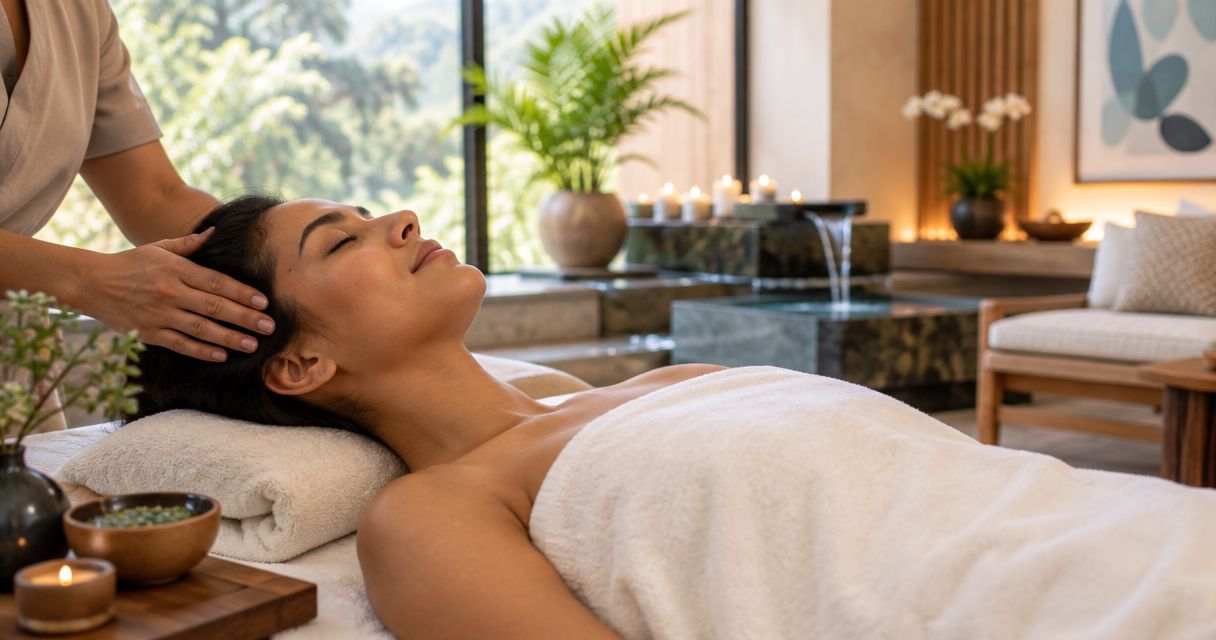

Best overall for a quiet break: flotation therapy. Best for hands-on pressure: deep tissue massage. Best for assisted movement: fascial stretch therapy. Best for contrasting sensations: sauna and cold plunge. Best self-guided option: gentle breathing. This 2026 guide compares the best stress relief treatments for busy professionals by the experience you want—not by promises of a cure.
- The best stress relief treatments for busy professionals match your preferred experience, not the strongest sensation.
- Hope Floats offers flotation therapy for Bethesda visitors seeking a quiet, low-stimulation spa experience.
- Choose deep tissue massage for hands-on pressure or fascial stretch therapy for assisted movement.
- Sauna and cold plunge involve temperature extremes; check suitability before booking.
- Gentle breathing is a self-guided option, not a substitute for mental health care.
Why this matters
When work fills your calendar, choosing a treatment can become another task. Start with a simpler question: do you want quiet, touch, movement, or a change in temperature? That answer gives you a useful shortlist without treating every service as interchangeable.
Hope Floats offers flotation therapy, deep tissue massage, fascial stretch therapy, and contrast therapy with ice baths and infrared saunas in Bethesda, Maryland. For DC-area professionals, the decision includes both the experience and the trip: choose something you want to try, then leave room in your schedule to enjoy it.
Hope Floats is a fit for DC-area professionals seeking flotation therapy and other in-person relaxation services in Bethesda. These are wellness options, not treatments for a diagnosed anxiety disorder or a replacement for medical advice.
What makes the best stress relief treatment?
For this 2026 guide, the most useful criteria are practical rather than dramatic. A treatment should suit your preferences and health circumstances before it earns a place in your calendar.
- Sensory preference: Decide whether you want less stimulation or a more noticeable physical experience.
- Comfort with touch: Massage and assisted stretching involve a practitioner; flotation does not center on hands-on work.
- Control over intensity: Ask how you can communicate discomfort, adjust the experience, or stop.
- Health suitability: Discuss relevant conditions, medications, injuries, or pregnancy before choosing a service.
- Schedule fit: Confirm the appointment length and arrival instructions, then account for travel from your workplace or home.
- Repeatability: Favor an experience you actually want to return to, rather than one you feel obliged to tolerate.
The strongest sensation is not automatically the best choice. If cold exposure sounds unpleasant and quiet sounds inviting, you already have a useful starting point.
Stress relief options at a glance
The ranking below is a decision guide for 2026, not a claim that one service produces better clinical results. Each option owns a different use case.
| Option | Best for | Standout experience | Key limitation |
|---|---|---|---|
| Flotation therapy | A quiet break from stimulation | Floating in a sensory deprivation tank | The enclosed setting or unfamiliar sensation will not suit everyone |
| Deep tissue massage | Hands-on pressure | A practitioner applies pressure to soft tissue | Pressure can feel uncomfortable and requires clear communication |
| Fascial stretch therapy | Assisted movement | A practitioner guides stretching | Suitability depends on your movement limits and health circumstances |
| Sauna and cold plunge | Contrasting sensations | Moving between heat and cold | Temperature extremes require extra attention to suitability |
| Gentle breathing | A self-guided pause | Paying attention to comfortable, unforced breathing | It does not provide a spa setting or hands-on service |
1. Flotation therapy: best for a quiet break
Flotation therapy gives you a different kind of appointment: instead of talking through a problem or receiving hands-on work, you float in a sensory deprivation tank. The experience centers on reduced external stimulation. It is the strongest starting point on this list if your main wish is to step away from screens, conversation, and competing demands.
You do not need to arrive with a perfect meditation routine. Ask for an explanation of the tank setup and what to do if you want to end the session. Knowing the process matters more than trying to achieve a particular mental state.
Flotation therapy pros
- The experience centers on quiet rather than practitioner-applied pressure.
- It offers a clear change from a busy, screen-heavy workday.
- It does not require you to perform a stretching routine.
- It gives you an option when you want a spa visit without massage.
Flotation therapy cons
- An enclosed setting can feel uncomfortable if you dislike confined spaces.
- Floating can feel unfamiliar, particularly on a first visit.
- Quiet does not guarantee that your thoughts will immediately settle.
Best for: Professionals who want less input, not a more intense physical sensation.
Before booking flotation therapy at Hope Floats, ask about entry, exit, and the available ways to manage the environment. If you have a relevant health concern, ask a healthcare professional whether floating is appropriate for you.
Verdict: Buy—choose flotation therapy when quiet is your main priority.
2. Deep tissue massage: best for hands-on pressure
Deep tissue massage uses practitioner-applied pressure and movement on soft tissue. Choose it because you want that hands-on experience—not because deeper pressure sounds more effective. Your comfort and communication should guide the appointment.
Tell the practitioner where you want attention, where you do not want pressure, and whether any area is painful or injured. You can ask for a change during the session. Enduring discomfort is not a useful goal.
Deep tissue massage pros
- It provides a hands-on experience rather than a self-directed activity.
- You can explain your preferred areas of focus before treatment.
- You can give feedback about pressure as the appointment progresses.
- It suits visitors who prefer touch to floating or temperature changes.
Deep tissue massage cons
- Strong pressure can be uncomfortable; soreness can occur afterward.
- Some injuries and health conditions require medical guidance or changes to treatment.
- It is not a match if you dislike practitioner contact.
Best for: Professionals who want hands-on pressure and feel comfortable communicating their boundaries.
Hope Floats offers deep tissue massage, but choosing the service does not mean choosing maximum intensity. Describe the experience you want in everyday language: gentler pressure, less attention to a sensitive area, or a focus on comfort.
Verdict: Buy—choose deep tissue massage for hands-on work, not for a test of pain tolerance.
3. Fascial stretch therapy: best for assisted movement
Fascial stretch therapy involves practitioner-guided stretching. It differs from massage because movement is central to the experience, rather than pressure alone. Choose it when assisted stretching sounds more appealing than lying still in a tank or receiving deep tissue work.
Share your movement limits before the session. A stretch should not become a challenge to reach the furthest position possible; communicate any pain, pulling, or discomfort rather than trying to push through it.
Fascial stretch therapy pros
- It provides guided movement instead of asking you to design your own routine.
- It offers a distinct alternative to massage and flotation.
- It gives you a setting in which to communicate movement preferences and limits.
Fascial stretch therapy cons
- Assisted movement will not suit every injury or health condition.
- It involves practitioner contact and physical positioning.
- It does not offer the same low-stimulation experience as floating.
Best for: Professionals who prefer a movement-based appointment and want assistance with stretching.
If your workday involves long periods at a desk, describe how you feel rather than diagnosing yourself. Explain which movements feel comfortable and which do not. A persistent or unexplained symptom belongs in a conversation with a healthcare professional, not a promise attached to a spa service.
Verdict: Buy—choose fascial stretch therapy when guided movement is the experience you want.
4. Sauna and cold plunge: best for contrasting sensations
Contrast therapy pairs heat and cold; the Bethesda spa offers infrared saunas and ice baths. It is the most temperature-focused choice on this list. Choose it because the contrasting sensations appeal to you, not because an intense experience proves that a treatment is working.
Heat and cold exposure place demands on the body. Ask a healthcare professional about suitability if you have cardiovascular concerns, are pregnant, take medication that affects temperature regulation, or have another relevant condition. Follow staff instructions and stop if you feel unwell.
Sauna and cold plunge pros
- The experience is clearly different from massage, stretching, and floating.
- It suits visitors who prefer noticeable temperature sensations to quiet alone.
- It offers a temperature-focused way to structure a spa visit.
Sauna and cold plunge cons
- Heat and cold are not appropriate for everyone.
- The intensity can feel unpleasant rather than relaxing.
- You need to pay attention to physical warning signs, not compete on endurance.
Best for: Professionals who enjoy temperature contrast and have confirmed that the service is suitable for them.
For a first visit in 2026, ask how the session works before deciding to try it. Do not copy an online endurance challenge or use someone else's tolerance as your target.
Verdict: Hold—confirm suitability and comfort before choosing sauna and cold plunge.
5. Gentle breathing: best for a self-guided pause
Gentle breathing means noticing your breath and allowing it to stay comfortable, without forcing deep inhalations or holding your breath. You can practice it during an ordinary break. It is an alternative when arranging a spa appointment is not what you want today.
Start by sitting comfortably and noticing your natural breathing. Let the breath remain easy. If focusing on breathing makes you feel dizzy, uncomfortable, or more anxious, stop and return your attention to your surroundings.
Gentle breathing pros
- It does not require travel to a spa.
- You can stop whenever you want.
- It does not involve practitioner contact or temperature extremes.
Gentle breathing cons
- Breath-focused attention does not feel calming for everyone.
- It does not provide the separate setting of a spa appointment.
- It is not a substitute for support when stress is persistent or disruptive.
Best for: Professionals who want a simple, self-guided pause between commitments.
Keep the aim modest: make space to notice how you feel. You do not need to master a breathing pattern, hit a timing target, or make your mind go blank.
Verdict: Buy—choose gentle breathing as a low-pressure pause, not as a cure for ongoing distress.
How this ranking works
This 2026 ranking prioritizes sensory preference, comfort, suitability, and ease of choosing. Flotation leads for a quiet break; massage leads for hands-on pressure; stretching leads for guided movement. Temperature contrast is a separate choice, not a stronger version of the others.
The order does not come from a clinical trial or a claim of measured stress reduction. It helps you match the service to the experience you want.
Which treatment should you choose?
Choose flotation therapy as the default if your main goal is a quiet break. Choose deep tissue massage if you want hands-on pressure, or fascial stretch therapy if you want assisted movement. Treat sauna and cold plunge as a suitability-first decision.
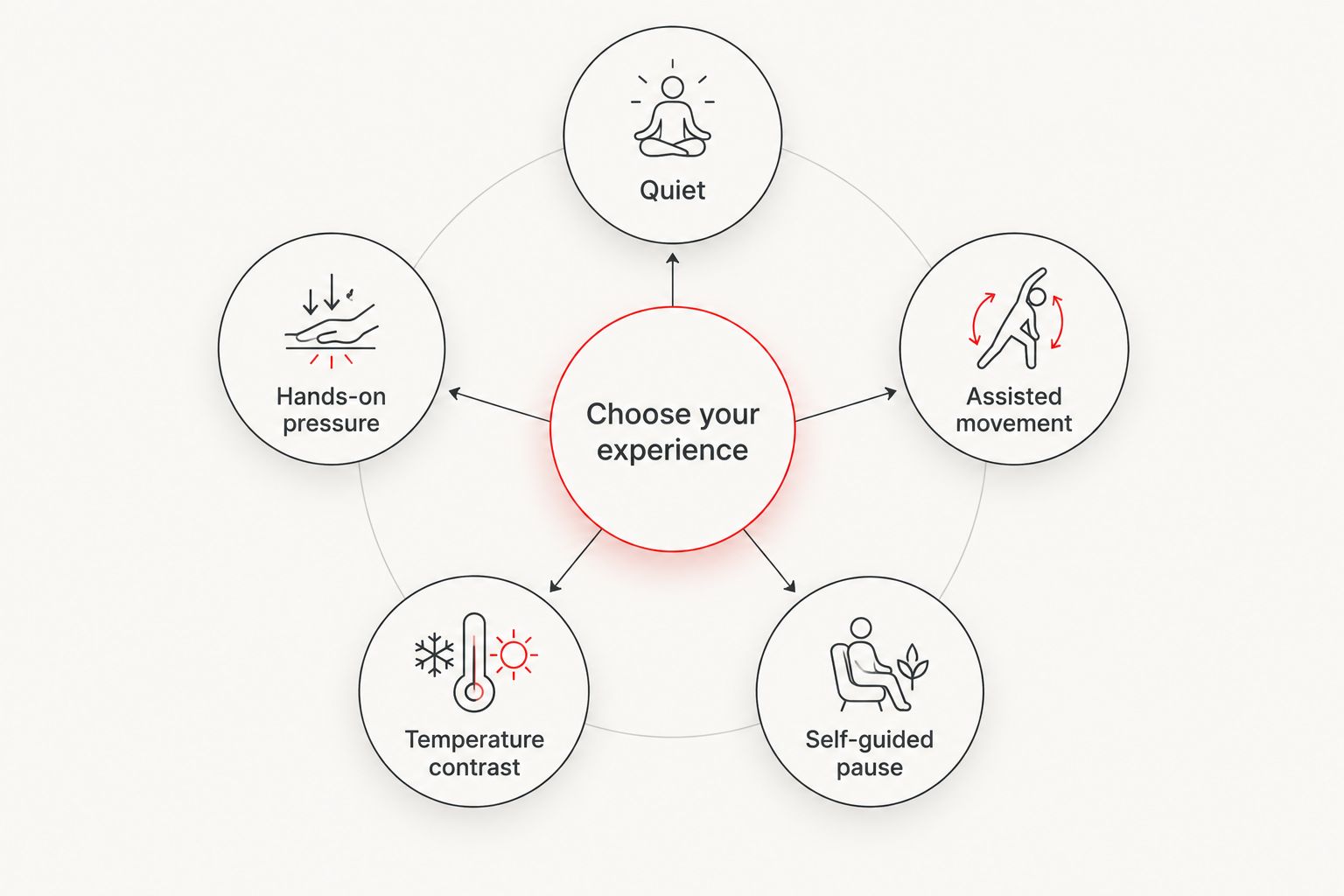
Use these labels when narrowing your shortlist:
- Quiet: Flotation therapy.
- Hands-on pressure: Deep tissue massage.
- Assisted movement: Fascial stretch therapy.
- Temperature contrast: Sauna and cold plunge.
- Self-guided pause: Gentle breathing.
For your first appointment, start with one service rather than building a packed itinerary. Confirm session length, preparation, arrival instructions, and any health-related questions before you commit. In 2026, a useful spa plan is still one that fits your actual calendar.
Choose your first spa experience
Explore flotation, massage, assisted stretching, and contrast therapy at the Bethesda spa.
FAQ
What's the best stress relief treatment for a busy professional?
Flotation therapy is the default recommendation when your main goal is a quiet, low-stimulation break. Choose massage for hands-on pressure, assisted stretching for movement, or gentle breathing for a self-guided pause.
Is flotation therapy better than deep tissue massage for stress?
Neither is universally better; they offer different experiences. Flotation centers on reduced stimulation, while deep tissue massage centers on practitioner-applied pressure.
What should I choose for my first visit to Hope Floats?
Choose flotation therapy if quiet appeals to you, massage if you prefer hands-on work, or fascial stretch therapy if you want guided movement. Ask about preparation and health suitability before booking.
Do I need to meditate during a float session?
No, you do not need a meditation routine to choose flotation therapy. Ask staff to explain the setup and focus on becoming comfortable rather than achieving a particular mental state.
Should deep tissue massage hurt?
Pain is not a goal of deep tissue massage. Tell the practitioner if pressure feels uncomfortable, and discuss injuries or sensitive areas before the session.
Is sauna and cold plunge suitable for everyone?
No, heat and cold exposure are not suitable for everyone. Ask a healthcare professional about relevant conditions or medications, follow staff instructions, and stop if you feel unwell.
Can spa treatments replace mental health care?
No, spa services do not replace mental health care. If stress persistently affects sleep, work, relationships, or daily functioning, seek support from a qualified healthcare professional.
One last thing
Book for the sensation you want, not the one you think you should tolerate. A quiet float does not need to become a productivity exercise, and massage does not need to hurt to justify the appointment. Tell the staff what would make the experience comfortable—and leave room afterward so your spa visit does not end in another rush.